lunes, 7 de marzo de 2022

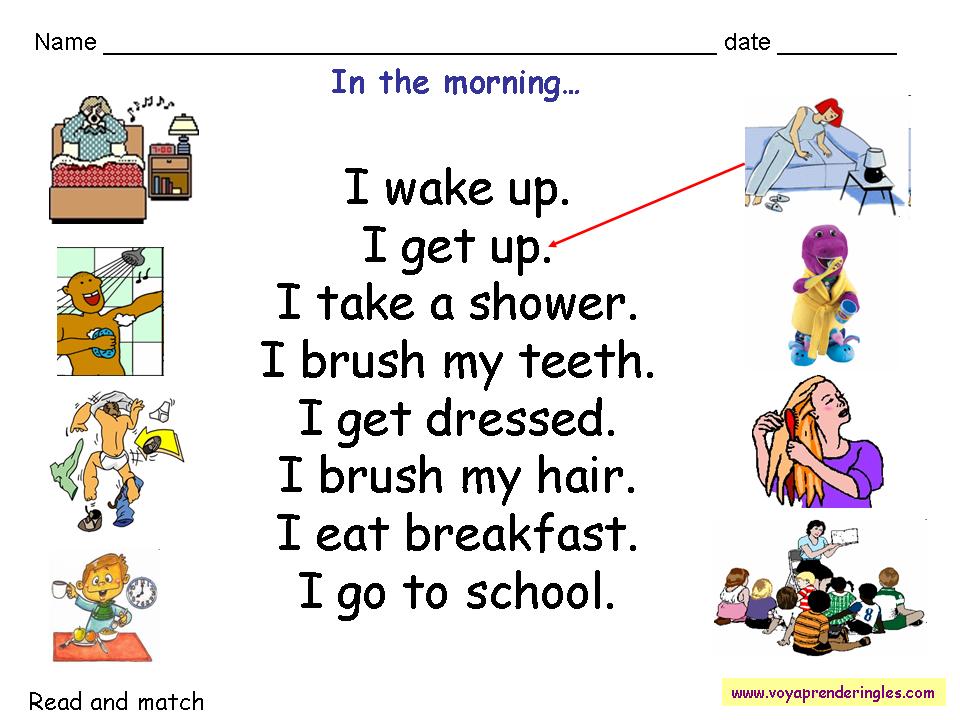
Worksheets Routines 01 - Fichas las Rutinas en Inglés

Fichas las Rutinas en Inglés

Recursos Educativos en inglés - Worksheets Routines

Fichas Infantiles en Inglés las Rutinas

01. Read and match.

Ficha en Inglés, para trabajar las rutinas. Ideal para facilitar el aprendizaje de este idioma, adquirir vocabulario, practicar la pronunciación, etc. Especialmente en Educación Infantil y Primaria.

Para Imprimir la lámina, se recomienda, guardarla primero en el PC.

🔆 More Worksheets:

Adblock test (Why?)

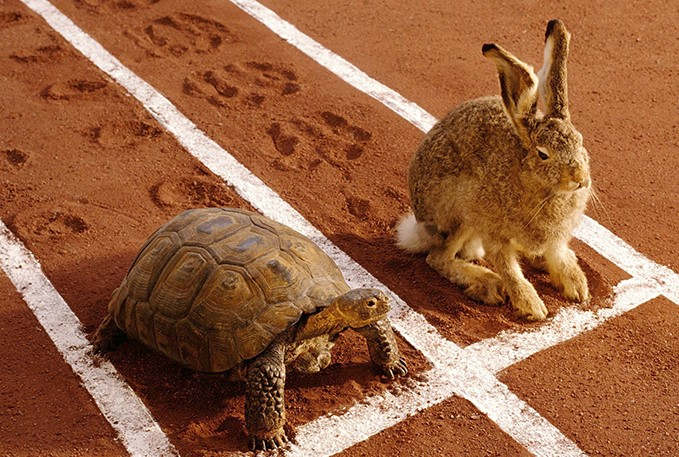
The Hare and the Tortoise - La Liebre y la Tortuga

The Hare and the Tortoise - La Liebre y la Tortuga

The Hare and the Tortoise - La Liebre y la Tortuga

Recursos Educativos en Inglés - Stories in English - Cuentos en Inglés

Once upon a time.... there was a hare who, boasting how he could run faster than anyone else, was forever teasing tortoise for its slowness. Then one day, the irate tortoise answered back: "Who do you think you are? There's no denying you're swift, but even you can be beaten!" The hare squealed with laughter.

"Beaten in a race? By whom? Not you, surely! I bet there's nobody in the world that can win against me, I'm so speedy. Now, why don't you try?" 

Annoyed by such bragging, the tortoise accepted the challenge. A course was planned, and next day at dawn they stood at the starting line. The hare yawned sleepily as the meek tortoise trudged slowly off. When the hare saw how painfully slow his rival was, he decided, half asleep on his feet, to have a quick nap. "Take your time!" he said. "I'll have forty winks and catch up with you in a minute."

The Hare and the Tortoise - La Liebre y la Tortuga

The hare woke with a start from a fitful sleep and gazed round, looking for the tortoise. But the creature was only a short distance away, having barely covered a third of the course. Breathing a sigh of relief, the hare decided he might as well have breakfast too, and off he went to munch some cabbages he had noticed in a nearby field. But the heavy meal and the hot sun made his eyelids droop. With a careless glance at the tortoise, now halfway along the course, he decided to have another snooze before flashing past the winning post. And smiling at the thought of the look on the tortoise's face when it saw the hare speed by, he fell fast asleep and was soon snoring happily. The sun started to sink, below the horizon, and the tortoise, who had been plodding towards the winning post since morning, was scarcely a yard from the finish. At that very point, the hare woke with a jolt. He could see the tortoise a speck in the distance and away he dashed.

He leapt and bounded at a great rate, his tongue lolling, and gasping for breath. Just a little more and he'd be first at the finish. But the hare's last leap was just too late, for the tortoise had beaten him to the winning post. Poor hare! Tired and in disgrace, he slumped down beside the tortoise who was silently smiling at him.

"Slowly does it every time!" he said.

Thanks so much to Dennis for sending in this story.

🔆 Otros cuentos:

Adblock test (Why?)

Trabalenguas en Inglés - Tongue-Twisters in English

Trabalenguas en Inglés - Tongue-Twisters in English

Recursos educativos en inglés

Los trabalenguas se han hecho para destrabar la lengua, sin trabas ni mengua alguna y si alguna mengua traba tu lengua, con un trabalenguas podrás destrabar tu lengua. Ideal para aprender inglés, con el vocabulario, practicando la pronunciación y mucho más, de una manera divertida.

Trabalenguas en Inglés - Tongue-Twisters in English

If you understand, say "understand".
If you don't understand, say "don't understand".
But if you understand and say "don't understand".
How do I understand that you understand? Understand!

-----

A good cook could cook as much cookies as a good cook who could cook cookies.

-----

I saw a saw that could out saw any other saw I ever saw.

-----

Black bug bit a big black bear. But where is the big black bear that the big 
black bug bit? 
A big bug bit the little beetle but the little beetle bit the big bug back.

-----

I wish to wish the wish you wish to wish, but if you wish the wish the witch
wishes, I won't wish the wish you wish to wish.

-----

These thousand tricky tongue twisters trip thrillingly off the tongue.

-----

Sounding by sound is a sound method of sounding sounds.

-----

Betty bought butter but the butter was bitter, so Betty bought better butter to
make the bitter butter better.

-----

A sailor went to sea To see, what he could see. And all he could see Was sea,
sea, sea.

-----

A box of mixed biscuits, a mixed biscuit box.

-----

Upper roller lower roller Upper roller lower roller.

-----

Purple Paper People, Purple Paper People, Purple Paper People.

-----

Which watch did which witch wear and which witch wore which watch.

-----

Six slippery snails, slid slowly seaward.

-----

I thought a thought. But the thought I thought wasn't the thought I thought I thought.
If the thought I thought I thought had been the thought I thought, I wouldn't have thought so much.

-----

She sells sea shells on the sea shore she sells sea shells no more.

-----

Any noise annoys an oyster but a noisy noise annoys an oyster more.

-----

A skunk sat on a stump. The stump thought the skunk stunk. the skunk thought the
stump stunk . What stunk the skunk or the stump?

-----

The owner of the inside inn was inside his inside inn with his inside outside his inside inn.

-----

If one doctor doctors another doctor does the doctor who doctors the doctor doctor the doctor the way the doctor he is doctoring doctors? Or does the doctor doctor the way the doctor who doctors doctors?

-----

Daddy draws doors. Daddy draws doors. Daddy draws doors.

-----

Friendly Fleas and Fire Flies.

-----

If you notice this notice, you will notice that this notice is not worth noticing.

-----

How many cans can a canner can, if a canner can can cans? A canner can can as many cans as a canner can, if a canner can can cans.

-----

Penny's pretty pink piggy bank.

-----

Rubber baby-buggy bumpers.

-----

Jolly juggling jesters jauntily juggled jingling jacks.

Adblock test (Why?)
domingo, 6 de marzo de 2022

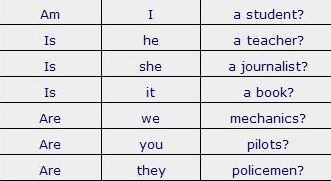
Forma interrogativa del verbo to be - indicative mood

Forma interrogativa del verbo to be

Forma interrogativa del verbo to be - indicative mood - Recursos Educativos en inglés

Gramática Inglesa - English Grammar

Present

Am I ? inglés a español Yes, I am No, I'm not
Are you ? inglés a español Yes, you are No, you aren´t
Is he ? inglés a español Yes, he is No, he isn't
Is she ? inglés a español Yes, she is No, she isn't
Is it ? inglés a español Yes, it is No, it isn't
Are we ? inglés a español Yes, we are No, we aren't
Are you ? inglés a español Yes, you are No, you aren't
Are they ? inglés a español Yes, they are No, they aren't

En las respuestas negativas siempre se utilizarán las formas contraídas. Y en las afirmativas las formas plenas. Siempre se utiliza el pronombre.

am I?
are you?
is he?
are we?
are you?
are they?

Present continuous

am I being?
are you being?
is he being?
are we being?
are you being?
are they being?

was I?
were you?
was he?
were we?
were you?
were they?

Preterite

was I being?
were you being?
was he being?
were we being?
were you being?
were they being?

Present perfect

have I been?
have you been?
has he been?
have we been?
have you been?
have they been?

Present perfect continuous

have I been being?
have you been being?
has he been being?
have we been being?
have you been being?
have they been being?

Pluperfect

had I been?
had you been?
had he been?
had we been?
had you been?
had they been?

Pluperfect continuous

had I been being?
had you been being?
had he been being?
had we been being?
had you been being?
had they been being?

will I be?
will you be?
will he be?
will we be?
will you be?
will they be?

Continuous future

will I be being?
will you be being?
will he be being?
will we be being?
will you be being?
will they be being?

Future tense

will I have been?
will you have been?
will he have been?
will we have been?
will you have been?
will they have been?

Future continuous tense

will I have been being?
will you have been being?
will he have been being?
will we have been being?
will you have been being?
will they have been being?

🔆 También te puede interesar:

🔆 También te puede interesar:

Adblock test (Why?)

Presente continuo - Forma Negativa

presente continuo negativo

Describir acciones que están ocurriendo en el momento de hablar.

Presente continuo en su forma negativa

Sujeto + BE (presente) + not + verbo terminado en ing

  • Conjugación del verbo work en forma negativa:

I am not working - I'm not working  
You are not working - You aren't working

He is not working - He isn't working
She is not working - She isn't working  
It is not working - It isn't working 

We are not working - We aren't working  
You are not working - You aren't working
They are not working - They aren't working

Adverbios y expresiones de tiempo que suelen acompañar al presente continuo:

Sujeto + Be (presente) + verbo terminado en ing + (now, just now, at the moment, at this moment).

I am working just now.

Sujeto + Be (presente) + still+ verbo terminado en ing

He's still working - Está todavía trabajando

Sujeto + BE (presente) + not + verbo terminado en ing + (now, just now, at the moment, at this moment, any longer).

Are you still working? - ¿Estás aún trabajando?
No, I'm not working any longer. - No, ya no trabajo.

***Any longer sólo se usa en la forma negativa.

Now - ahora
Just now - ahora mismo
at the moment - en este momento
at this moment - en este momento
Still - todavía / aún
Any longer - ya no
today - hoy

🔆 También te puede interesar:

Adblock test (Why?)

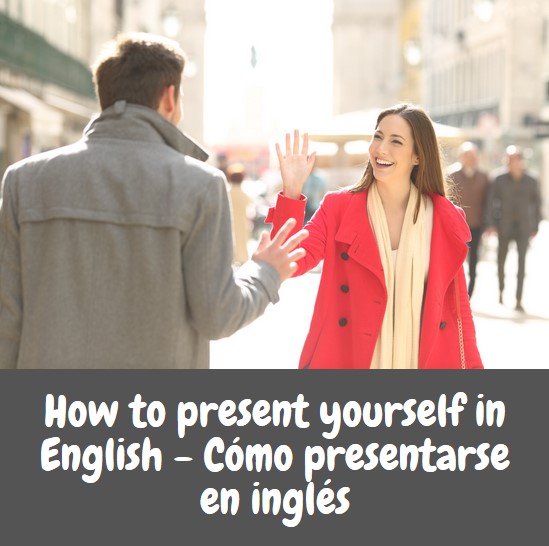
Cómo presentarse en inglés formal e informalmente

Cómo presentarse en inglés, presentaciones Introductions

How to present yourself in English - Cómo presentarse en inglés - Recursos Educativos en inglés

A continuación, aprenderás las frases que necesitas saber para presentarse en inglés, ya sea durante un viaje o una entrevista profesional.

En los países de habla inglesa no sólo saludas cuando conoces a alguien. Contrariamente a los hábitos españoles, te presentas en inglés dando tu nombre y tu profesión. Ciertamente lo has notado en las series o películas en inglés que ves, ¿no es así?

Para decir "hola", normalmente decimos "hello", o "hi" pero es más familiar.

Dependiendo de la hora del día, puedes decir "good morning" (por la mañana), "good afternoon" (por la tarde), "good evening" (por la noche) y "good night". Estas son también formas de decir adiós cuando dejas a alguien.

Luego le preguntas a la persona con la que estás hablando cómo le va para llevar la conversación más allá:

How are you? / How do you do? (= ¿Cómo estás?)

ou encore Nice to meet you! (= ¡Encantado de conocerte!)

Luego das tu nombre y preguntas por el nombre de la persona con la que estás hablando:

What’s your name? (= ¿Cuál es tu nombre?)

My name is Paul Dupont / I am Paul Dupont (= Mi nombre es Paul Dupont)

Para tla edad, es muy simple:

How old are you ? I’m 62 / I am 62 years old. (= ¿Cuántos años tienes? Tengo 62 / Tengo 62 años)

Para presentarte tu mismo en inglés - Introducing Yourself

  • Hello, I’m Susana. Hola, soy Susana.
  • I am Juan. Yo soy Juan. Me llamo Juan.

presentaciones Introductions

Si quieres presentar a otra persona de manera formal en inglés: Introducing Someone Else

  • This is Brian. He/She is my teacher. Este/a es Brian. Él/Ella es mi profesor/a.
  • This is Jane. He/She is Jane. Este/a es Jane. Él/Ella es Jane.
  • I would like you to meet ________. Me gustaría que conociera a ________.
  • I’d like to introduce you to _______, the _______at ________. Me gustaría presentarle a _______, el _______en ________.

Si quieres presentar a alguien de manera informal

  • This is Brian. Este es Brian.
  • This is my friend Brian. Este es mi amigo Brian.

  • Brian, can I introduce you to Jane. - Brian, ¿puedo presentarte a Jane?

  • Brian, can I introduce you to Jane. - Brian, permíteme que te presente a Jane.

  • Brian, do you know Jane? - Brian, ¿conoces a Jane?

Ejemplos de presentaciones en inglés

  • Hi! I’m Eva, Peter’s girlfriend. - ¡Hola! Soy Eva, la novia de Peter.
  • Hey, I’m David. I’m the new doctor. - Hey, soy David. Soy el nuevo médico.
  • This is Cris. He is our new teacher. - Este es Cris. Él es nuestro nuevo profesor.
  • This is my boyfriend Connor. - Este es mi novio Connor.
  • I’d like you to meet Karen. - Me gustaría que conocieras a Karen.

🔆 También te puede interesar:

Puntuación en inglés - All about punctuation in English

Cómo decir la fecha en inglés - How to say the date in English

Construir frases simples - To build a simple sentence

Nombres contables e incontables en inglés

Presente continuo - Forma Interrogativa

Cómo Preguntar y decir el precio en inglés

Adblock test (Why?)

sábado, 5 de marzo de 2022

Cómo Preguntar y Decir la Edad en Inglés

Cómo Preguntar y Decir la Edad en Inglés

The age - La edad

En inglés, la pregunta ¿Cuántos años tienes? no se hace con el verbo tener, sino con be:

How old + be (conjugado) + sujeto?

  • How old are you?
  • How old is he / she / it?
  • How old are they?

Para responder se hace igualmente con be:

How old are you? - I'm sixteen (years old)

How old is he? - He's twenty-three (years old)

How old are they? - They're thirty (years old)

  • En la respuesta puedes omitir years old.
  • De forma escrita, la edad puede escribirse en números o en letras, de forma equivalente.

El cambio de edad

Para anticipar un futuro cambio de edad, el inglés a menudo utiliza el verbo "TO TURN" (+número):

This year, I’ll turn 35.
Este año, cumpliré 35.

La edad como adjetivo

No cometer errores al hablar de la edad también significa dominar su uso como adjetivo. Tomemos un ejemplo:

I have a two-year-old son.
Tengo un hijo de dos años.

En este contexto, la edad se convierte en un adjetivo cuando se coloca delante del sustantivo; entonces es invariable (sin "s" a año) y siempre se presenta con guiones.

Expresiones y vovabulario referente a la edad

How old do you think I am? / How old do you think I look? - ¿Cuántos años crees que tengo? / ¿Qué edad crees que tengo?

How old do you think he is? / How old do you think he looks? - ¿Cuántos años crees que tiene? / ¿Qué edad crees que tiene?

Cuando no se sabe la edad exacta, se utilizan los decenios

He's in his twenties = he's around 20 years old - Está en sus veinte años = tiene alrededor de 20 años. 

He's in his late twenties = he's between 25 and 30 years old - Tiene veintitantos años = tiene entre 25 y 30 años.

He's in his thirties = he's around 30 years old - Tiene treinta y tantos años = tiene alrededor de 30 años.

In his late thirties = he's between 35 and 40 years old - A finales de los treinta y tantos = tiene entre 35 y 40 años.

He's in his fourties = he's around 40 years old - Tiene cuarenta y tantos años = tiene alrededor de 40 años.

He's in his fifties = he's around 50 years old - Tiene cincuenta años = tiene alrededor de 50 años.

He's in his sixties = he's around 60 years old - Tiene sesenta años = tiene alrededor de 60 años.

🔆 También te puede interesar:

Puntuación en inglés - All about punctuation in English

Cómo decir la fecha en inglés - How to say the date in English

Construir frases simples - To build a simple sentence

Nombres contables e incontables en inglés

Presente continuo - Forma Interrogativa

Cómo Preguntar y decir el precio en inglés

Aquí tienes los número del uno al cien en inglés para que no tengas dudas a la hora de escribir tu edad.

One - 1
Two - 2
Three - 3
Four - 4
Five - 5
Six - 6
Seven - 7
Eight - 8
Nine - 9
Ten - 10
Eleven - 11
Twelve - 12
Thirteen - 13
Fourteen - 14
Fifteen - 15
Sixteen - 16
Seventeen - 17
Eighteen - 18
Nineteen - 19
Twenty - 20

Twenty-One - 21
Twenty-Two - 22
Twenty-Three - 23
Twenty-Four - 24
Twenty-Five - 25
Twenty-Six - 26
Twenty-Seven - 27
Twenty-Eight - 28
Twenty-Nine - 29
Thirty - 30
Thirty-One - 31
Thirty-Two - 32
Thirty-Three - 33
Thirty-Four - 34
Thirty-Five - 35
Thirty-Six - 36
Thirty-Seven - 37
Thirty-Eight - 38
Thirty-Nine - 39
Forty - 40

Forty-One - 41
Forty-Two - 42
Forty-Three - 43
Forty-Four - 44
Forty-Five - 45
Forty-Six - 46
Forty-Seven - 47
Forty-Eight - 48
Forty-Nine - 49
Fifty - 50
Fifty-One - 51
Fifty-Two - 52
Fifty-Three - 53
Fifty-Four - 54
Fifty-Five - 55
Fifty-Six - 56
Fifty-Seven - 57
Fifty-Eight - 58
Fifty-Nine - 59
Sixty - 60

Sixty-One - 61
Sixty-Two - 62
Sixty-Three - 63
Sixty-Four - 64
Sixty-Five - 65
Sixty-Six - 66
Sixty-Seven - 67
Sixty-Eight - 68
Sixty-Nine - 69
Seventy - 70
Seventy-One - 71
Seventy-Two - 72
Seventy-Three - 73
Seventy-Four - 74
Seventy-Five - 75
Seventy-Six - 76
Seventy-Seven - 77
Seventy-Eight - 78
Seventy-Nine - 79
Eighty - 80

Eighty-One - 81
Eighty-Two- 82
Eighty-Three -83
Eighty-Four - 84
Eighty-Five - 85
Eighty-Six - 86
Eighty-Seven - 87
Eighty-Eight - 88
Eighty-Nine - 89
Ninety - 90
Ninety-One - 91
Ninety-Two - 92
Ninety-Three - 93
Ninety-Four - 94
Ninety-Five - 95
Ninety-Six - 96
Ninety-Seven - 97
Ninety-Eight - 98
Ninety-Nine - 99
One hundred - 100

  • 🔆 También te puede interesar:

Adblock test (Why?)